House flipping in Newcastle: where the money goes

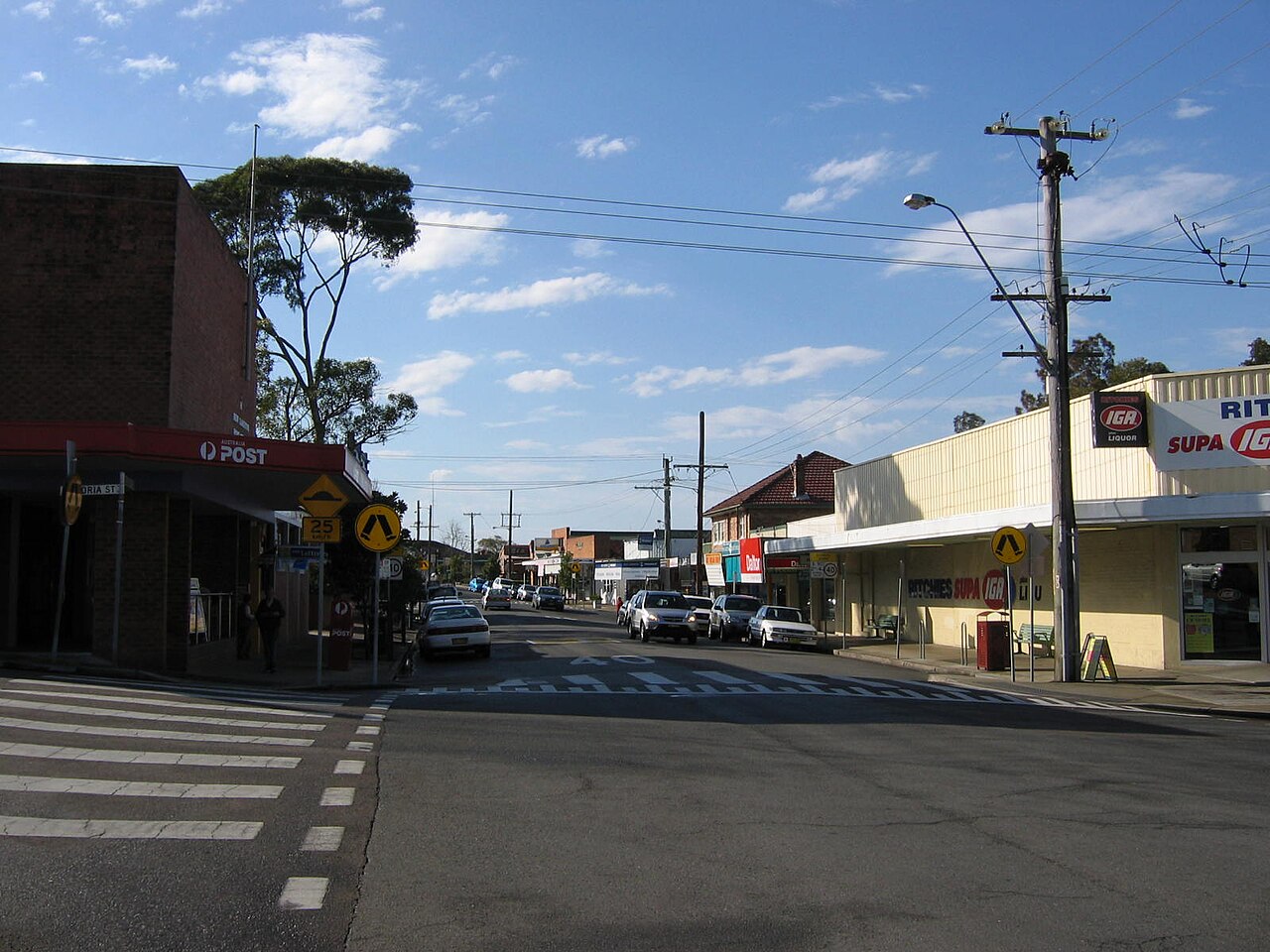
Newcastle's sale records show 35 houses bought, fixed up and sold again within 18 months, in sales from late 2023 to March 2026.
The typical one was bought for about $809,000 and sold for about $1,200,000, about 13 months later.
That is a rise of about $350,000. Here is where they were, what they kept, and what the slow ones had in common.
How many houses are being flipped in Newcastle?
We went through every Newcastle house sale in the NSW Government's records and found 35 houses that sold again for a lot more within a year and a half.
That is a small share of the city's roughly 2,300 house sales a year, which is why each one is worth a close look.
Where people are flipping
Mayfield area (8), New Lambton (4), Wallsend (4), Stockton (3), Adamstown Heights (3) and Elermore Vale (2) had the most flips.
Mayfield leads with eight across Mayfield, Mayfield West and Mayfield East: older houses on decent blocks, still below the city's typical price.
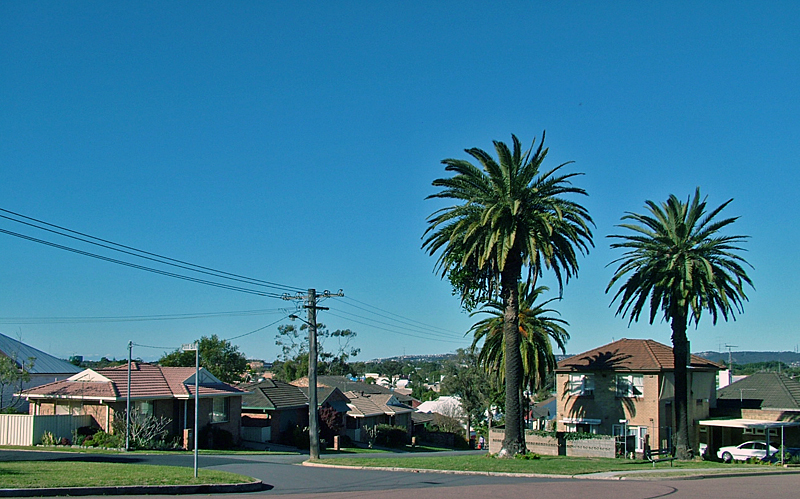
Why it matters: these are real Newcastle houses with real sale prices, not a television makeover.
What a flip really leaves you
Take out stamp duty when buying and the agent and advertising when selling, and the typical flip kept about $297,065.
That is before the renovation, the loan interest and tax, and the renovation is usually the biggest cost of all.
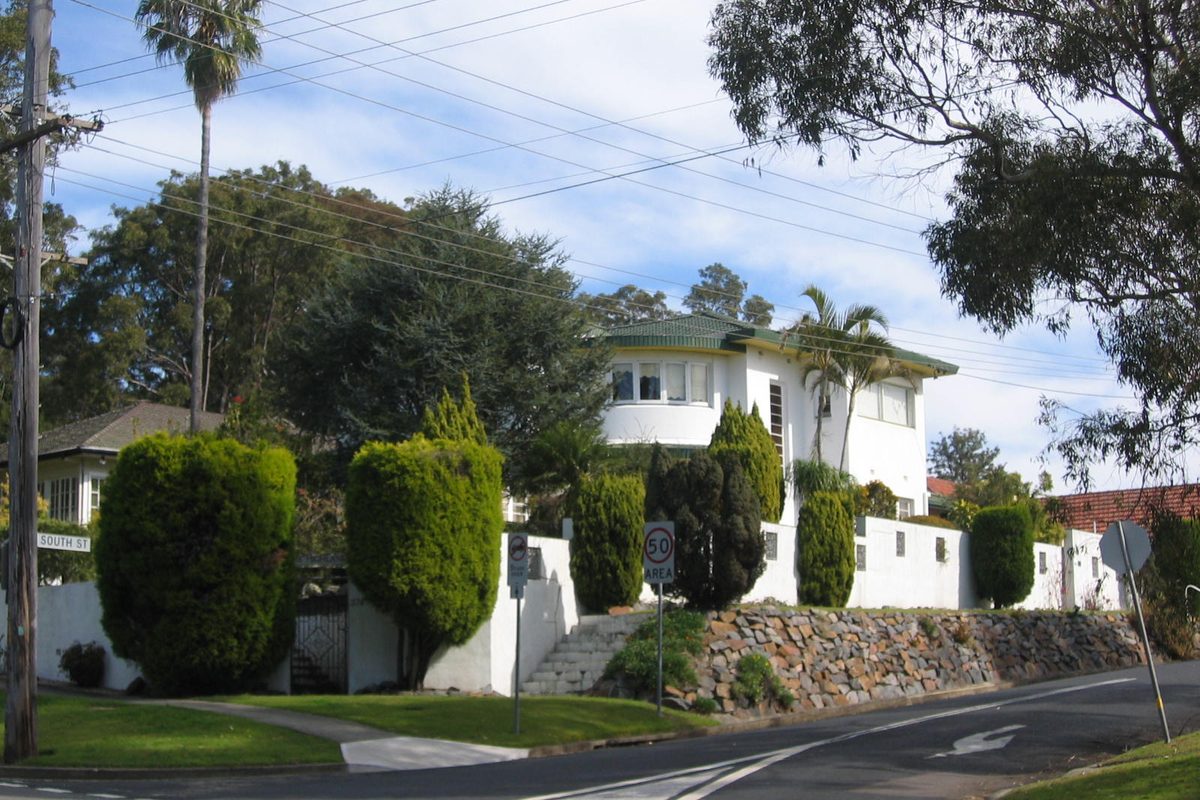
What the flops had in common
3 of the 35 kept less than $100,000 after stamp duty and selling costs. Once a renovation is paid for, those almost certainly lost money or barely broke even.
12 kept less than $200,000, which leaves little room for a real renovation, interest and tax.
| Flip | Rise | Months | Kept* |
|---|---|---|---|
| Biggest | |||
| New Lambton | $810,000 | 6 | $722,565 |
| Stockton | $665,000 | 18 | $592,815 |
| Adamstown Heights | $650,000 | 7 | $569,015 |
| Thinnest | |||
| Mayfield | $135,000 | 16 | $77,640 |
| Jesmond | $127,000 | 17 | $81,500 |
| Wallsend | $155,005 | 13 | $88,145 |
* Kept after stamp duty and selling costs, before the renovation, interest and tax.
The thinnest three rose by $127,000 to $155,000 and were held for 13 to 17 months. The rise was small and the holding was long, so costs ate it.
The biggest results were the opposite: a large rise, sold in six to seven months in two of the three cases.
Is house flipping still profitable in Newcastle?
For some. Prices across the city rose about 11.5 per cent in the year to June, which has helped every flip in the records.
A flip bought at the top of a street's range, held too long, or hit with a big renovation bill is the one that loses. Four things decide it: the price you pay, the street, the renovation bill and how long you hold.
Which houses get flipped in Newcastle?
Ordinary ones. The typical flipped house sat on a block of about 474 square metres.
Cheaper houses rose faster in percentage terms: the cheaper half of the 35 rose a typical 52 per cent, against 45 per cent for the dearer half.
But the dearer half kept more in dollars after stamp duty and selling, about $351,000 against $296,000, because the same percentage on a bigger price is more money.
How long Newcastle flips take
The typical flip was resold about 13 months after it was bought. The fastest took six months.
Time matters because interest, rates and insurance run every month. The thinnest results below were all held for more than a year.
What a Newcastle flip costs to renovate
The sale records show prices, not renovation bills. As a guide, cosmetic work typically runs $300 to $600 a square metre, and full renovations $1,000 to $2,500 a square metre in Sydney, with Newcastle usually 10 to 15 per cent cheaper.
On a typical Newcastle flip, a full renovation could easily cost $150,000 or more, which is why the price rise is not the profit. See one real flip costed line by line.
Selling a renovated house in Newcastle
The market has helped. The typical Newcastle house rose about 11.5 per cent in the year to June, and six in 10 now sell for $1 million or more. See what sold in your suburb.
A flip that only works because prices kept rising is a bet on the market, not a flip. The good ones work on the day they are bought.
Up-and-coming suburbs for flipping
The suburbs where typical house prices grew fastest over five years were mostly cheap ones in the west and north-west.
| Suburb | 2021 | 2026 | Growth |
|---|---|---|---|
| Beresfield | $445,000 | $775,000 | +74% |
| Tarro | $440,000 | $750,000 | +70% |
| Birmingham Gardens | $525,000 | $890,000 | +70% |
| Fletcher | $625,000 | $1,060,000 | +70% |
Past growth is not a promise. But cheap houses on big blocks in steady suburbs are where flips have most room to work. See every suburb.
Our read: the best Newcastle flips were bought well, done quickly and sold into a rising market. The worst were the opposite on at least one of those.
Yes, but: the public record shows prices, not renovation bills, so the true profit on every flip is lower than the rise.
What happens next: hunternew follows Newcastle house sales in the NSW Government's public sale records.
The bottom line: a flip is won when you buy it. Look at what renovated houses in the street really sell for first.
More: House flipping in Australia: one real flip, line by line · Newcastle house prices by suburb · Renovating to sell in Newcastle
Sources and how we worked it out
- NSW Valuer General property sales information (weekly bulk files), worked through by hunternew. A flip: a house (own block, no unit number) bought and sold again within 18 months for more; purchases from November 2023, resales to March 2026.
- Kept after duty and selling: price rise minus NSW transfer duty on the purchase (Revenue NSW rates from 1 July 2025) minus 2 per cent of the sale price plus $5,000 for selling. Renovation, interest and tax are not included because they are not in the public record.