House flipping in Australia: is it worth it?

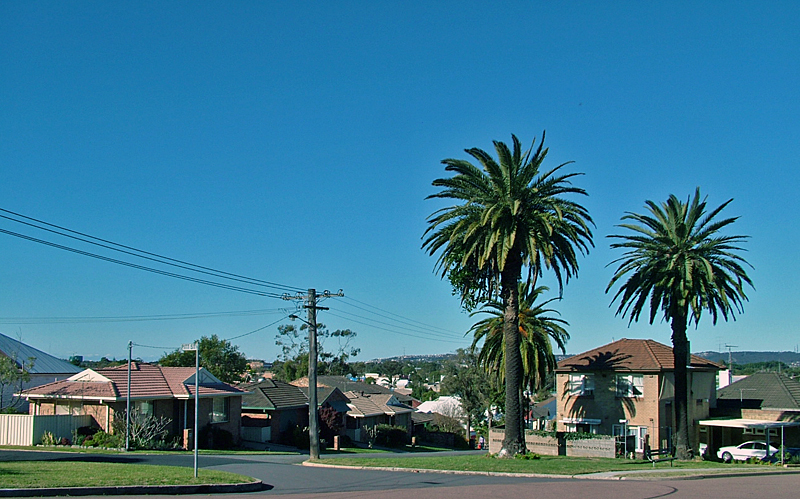
House flipping can make money in Australia. But the rise in price is not the profit, and most flips are won or lost on the day you buy.
Here is one real flip from the NSW sale records, worked through line by line.
Is house flipping profitable in Australia?
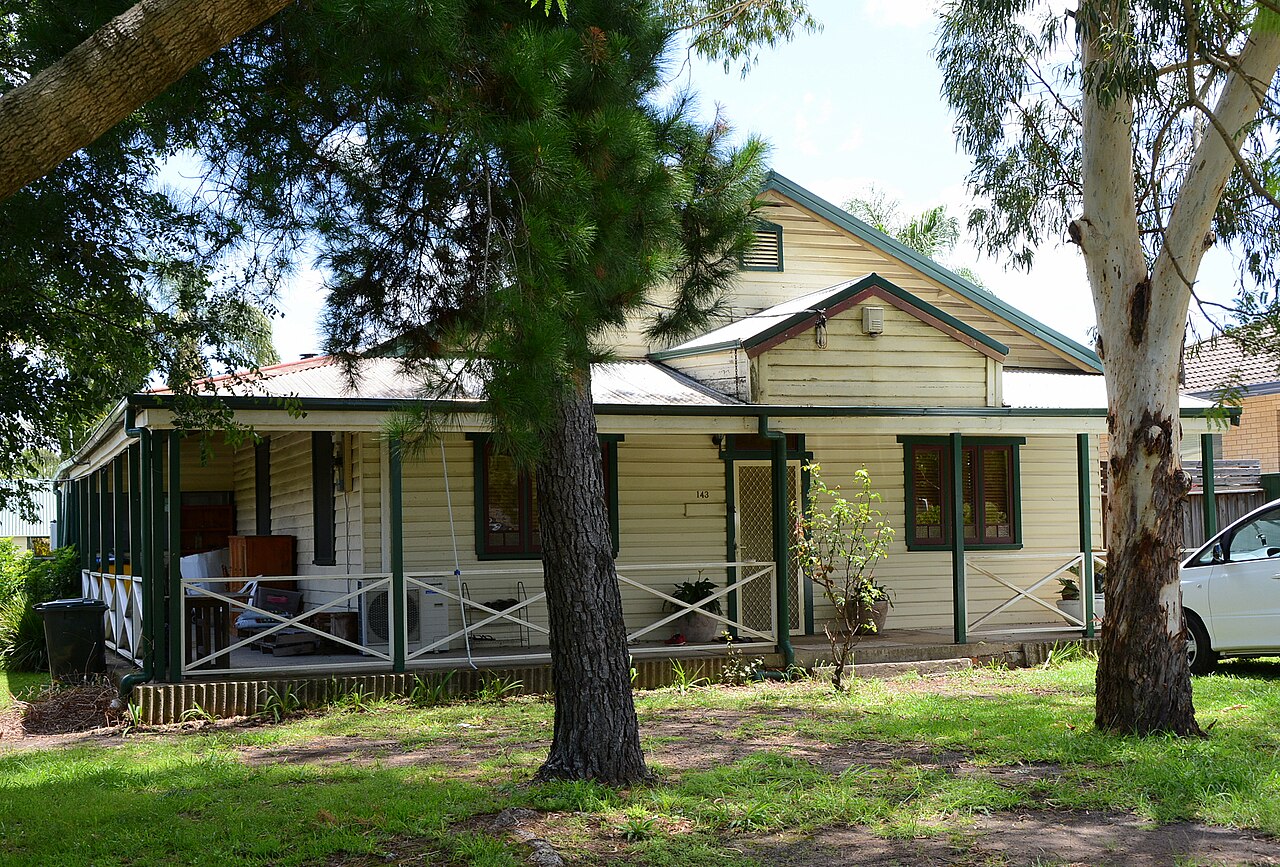
A tired weatherboard in Mayfield, Newcastle, sold for $715,000.
Six months later, renovated, it sold for $1,165,000. That is $450,000 more.
This is roughly what came out of that $450,000 before the owner saw a cent.
| Where the money went | About |
|---|---|
| Price rise | $450,000 |
| Stamp duty to buy (NSW) | $27,000 |
| Selling it (agent and advertising) | $27,000 |
| Loan interest for six months | $19,000 |
| The renovation | $200,000 to $300,000 |
| Left, before tax | $80,000 to $180,000 |
A good result for six months' work. But nowhere near the full $450,000, and the renovation figure is the one that decides it.
How to flip a house, step by step
- Set your numbers first. Work out what the house will sell for once it is done, then work backwards to the most you can pay.
- Find the house. Dated but structurally sound, in a street where renovated houses sell well.
- Price the renovation before you buy, with quotes, not guesses. Structural surprises are what sink flips.
- Renovate fast. Every month you own it costs interest, rates and insurance.
- Sell. The agent, advertising and tax come out before you see a cent.
Why it matters: most people who try a flip only see the sale price, and the sale price is where the money looks biggest.
What costs eat into a flip?
Stamp duty. The state tax when you buy. In NSW it is about $27,000 on a $715,000 house and about $40,000 on a $1 million one.
Selling. In NSW the agent usually takes around 2 per cent of the price, plus a few thousand for advertising.
Your loan. You pay interest every month you own the house, so a slow renovation costs twice.
The renovation. Always the biggest cost, and it usually runs over. Old houses hide problems behind the walls.
What is the 70 per cent rule in flipping?
It is a quick way to know the most you should pay. Take what the house will sell for after the work, multiply by 70 per cent, then take away the cost of the work.
Say a house will sell for $1 million once it is fixed, and the work will cost $100,000. The most you should pay is $600,000. The gap pays your costs and your profit.
It is a rule of thumb from American flipping. In NSW, stamp duty on the purchase makes it tighter, not looser.
Do you pay tax on a house flip?
Usually, yes, and more than on a normal investment. The Australian Taxation Office says that if you bought a property to renovate and sell for a profit, the profit is generally income, not a capital gain.
That means no 50 per cent capital gains discount. Your costs are deductible against the profit, and if flipping becomes a business you may need to think about GST too.
Living in the house for a while does not change this on its own. What counts is why you bought it. Talk to an accountant before you buy, not after.
Where do flips work?
In Newcastle, 35 houses were bought and sold again within 18 months in the sale records to March 2026. The typical one was bought for about $809,000 and sold for about $1,200,000.
Mayfield led, with eight across Mayfield, Mayfield West and Mayfield East. See all 35 Newcastle flips and what they made.
Before you buy
Five checks that stop a flip losing money
- What did renovated houses in this street sell for in the past year?
- Is the house sound? A building and pest report costs a few hundred dollars and can save the whole flip.
- Have you priced the renovation with real quotes?
- Can you carry the loan if it takes twice as long?
- Does it still make money after stamp duty, selling costs and tax?
How much does it cost to flip a house in Australia?
Four costs, every time: buying, renovating, holding and selling.
Buying means stamp duty, which depends on the state and the price: about $27,000 on a $715,000 house in NSW.
Renovating is the swing cost. Cosmetic work (paint, floors, surfaces) typically runs $300 to $600 a square metre. A full renovation with structural work, a new kitchen and bathrooms runs $1,000 to $2,500 a square metre in Sydney.
On a 120 square metre cottage, that is roughly $36,000 to $72,000 for a cosmetic flip, and $120,000 to $300,000 for a full one.
Holding is interest, council rates, water and insurance for every month you own it. Selling is the agent's commission and advertising.
Cosmetic flip or full renovation?
A cosmetic flip changes how the house looks. A full renovation changes how it works: walls, wet areas, wiring, plumbing.
Cosmetic flips are faster and cheaper, so less can go wrong. Full renovations can add more value, but they take longer, need more approvals, and hide more surprises.
Most first flips should be cosmetic. These are the cheap jobs buyers notice first.
How long does a house flip take?
Longer than television suggests. In Newcastle's sale records, the typical flip was resold about 13 months after it was bought. The fastest took about six months.
Settlement alone takes weeks at each end, and a renovation that needs council approval adds months.
Do you need a licence to flip a house?
You do not need a licence to buy and sell a house. But in NSW, residential building work worth more than $5,000 must be done by a licensed contractor with a written contract, unless you hold an owner-builder permit.
Can you flip a house with no money?
Not really. A lender will help with the purchase, but you still need a deposit, the stamp duty, and usually the renovation money from your own savings.
That is why some flippers team up with an investor: one finds and runs the flip, the other funds it, and they split the profit on terms agreed in writing.
How to flip houses as a beginner
Start small and cosmetic. Your first flip is where you learn what things really cost, so make the mistakes on a cheap house with a simple renovation.
Spend weeks looking before you buy. Walk through open homes in the suburb, note what renovated houses look like and what they sold for, and get a feel for what buyers there pay extra for.
Build your team before you need it: a broker, a building inspector, a conveyancer, and two or three trades you trust. Then set a budget with 15 to 20 per cent kept aside for surprises, because old houses always have some.
And keep records of every cost from day one. The tax office will want them, and so will you when you work out what you really made.
Common questions
How do I find cheap houses to flip? Look for houses that have sat on the market a long time, deceased estates, and listings that say renovator, original or needs work. Compare each with what renovated houses in the same street sold for.
Do banks lend for house flips? Banks lend on the purchase as a normal home or investment loan. Renovation money usually comes from savings or equity in another property; big structural work may need a construction loan.
What are the biggest risks? Paying too much, structural problems found after you buy, a renovation that runs over, and a market that turns while you hold.
Is flipping better than renting a house out? They suit different people. Flipping makes money in lumps and is taxed as income; renting earns slowly while the house grows in value.
Our read: flipping works for people who buy carefully and renovate cheaply. The renovation bill decides more flips than the market does.
Yes, but: prices across Newcastle rose about 11.5 per cent in the year to June, and a rising market hides a bad buy.
What happens next: if rates fall, more buyers come back and flips get easier to sell. If they rise, slow flips get squeezed first.
The bottom line: count every cost before you buy. If it only works because prices keep rising, it is not a flip.
More: House flipping in Newcastle: what 35 real flips made · Newcastle house prices by suburb · Renovating to sell in Newcastle
Sources and how we worked it out
- NSW Valuer General property sales information (weekly bulk files), worked through by hunternew.
- Stamp duty: Revenue NSW transfer duty general rates for 2026/27 ($11,602 plus $4.50 per $100 over $387,000).
- Tax: Australian Taxation Office, Understanding property sales (ato.gov.au), checked 7 October 2026.
- Mayfield flip costs as first published on hunternew 30 September 2026; renovation is an estimated range, not a receipt.