Dual occupancy rules in NSW: what you need to know in 2026

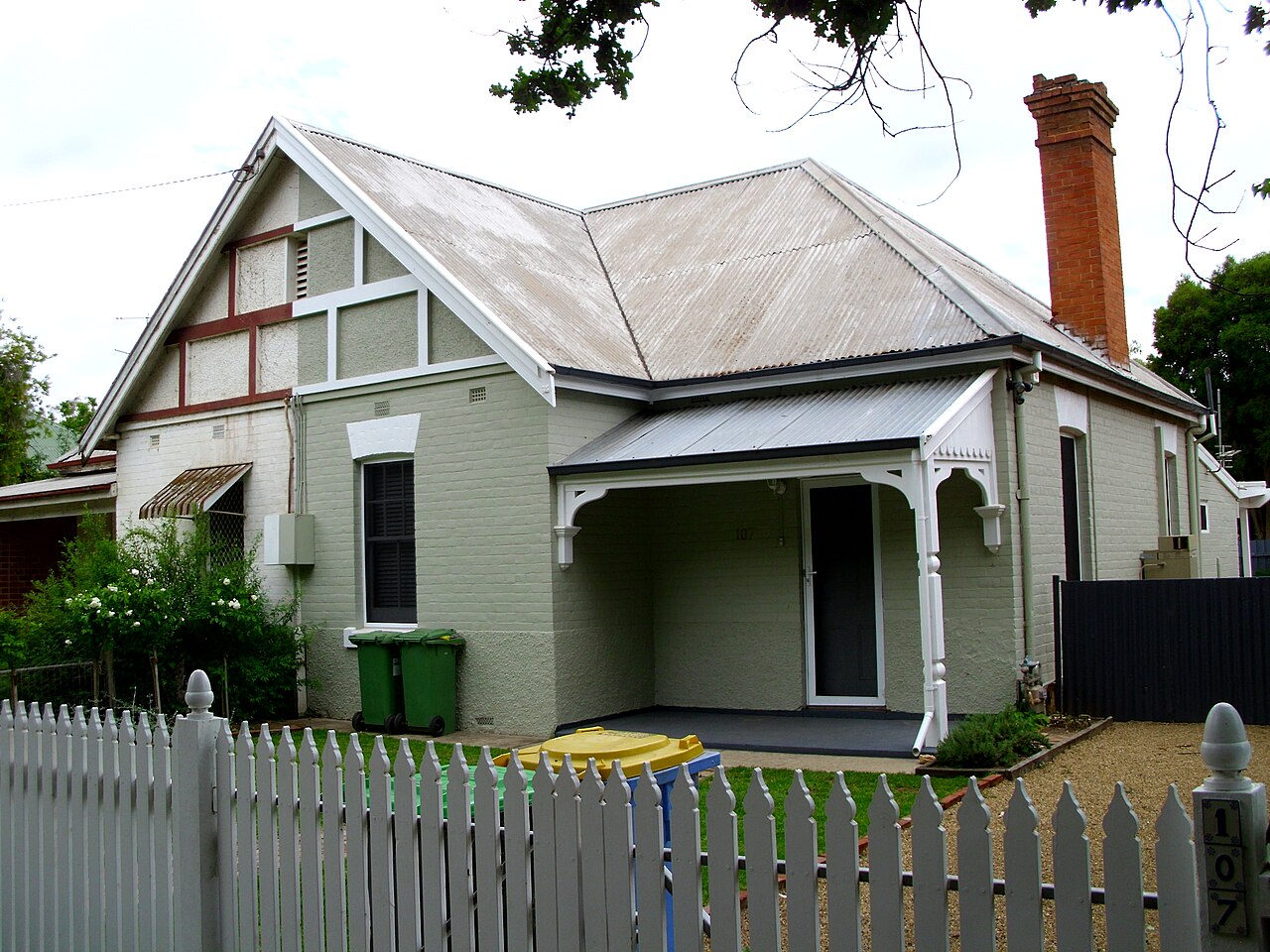
In most of NSW you can now build two homes on one block, if your block is in a low-density residential zone (called R2) and big enough.
The rules at a glance
- Zone: since 1 July 2024, dual occupancies can be approved in every R2 zone in NSW.
- Near chosen stations and town centres: since 28 February 2025, council cannot refuse a plan that meets the state minimums.
- Those minimums: a block of 450 m² or more, 12 m wide or more, up to 9.5 m high, one car space per home.
- Everywhere else: your council's own plan sets the numbers.
- Splitting: the two homes can be put on separate titles; near the chosen centres each new lot can be as small as 225 m².
What does dual occupancy mean?
Two homes on one block of land. They can share a wall, like a duplex, or stand apart, one beside or behind the other.
A granny flat is not a dual occupancy. A granny flat has to stay on the same lot as the main home.
Dual occupancy or granny flat?
| Granny flat | Dual occupancy | |
|---|---|---|
| Homes | Main home plus a small one | Two full homes |
| Same lot as the main home? | Yes, always | Can be split onto two lots |
| Sell separately? | No | Yes, once split |
| Allowed in R2 zones? | Yes | Yes, since July 2024 |
Why it matters: the 2024 and 2025 changes opened two homes on one block to owners right across NSW, not just developers.
What are the new duplex laws in NSW?
The NSW Government changed the rules in two steps under its Low and Mid-Rise Housing Policy.
From 1 July 2024, dual occupancies became allowed, with council approval, in every R2 zone in the state.
From 28 February 2025, in areas within 800 metres of nominated train stations and town centres, set minimums apply. If a plan meets them, council cannot refuse it on those grounds.
The minimums are the ones in the box above, plus a floor area of up to 0.65 times the block's area.
Can I have two lots on one title in NSW?
A dual occupancy starts as two homes on one title. To sell them separately, you split the block into two titles, called subdividing.
Near the chosen stations and town centres, each new lot can be as small as 225 m² and 6 m wide.
Is dual occupancy worth it?
It is worth it when the two new homes are worth more than the land, the build and every cost added together.
Building is the big one. In Newcastle, applications for two homes on one block declare a typical building cost of about $930,000.
So the sums matter more than the rules. Meeting the minimums does not mean the numbers work.
How to check if your block qualifies
- The zone. It needs to be residential, usually R2. The NSW Planning Portal's spatial viewer shows your zone free.
- The size and width. About 450 m² and 12 m wide is a good guide; some councils want more.
- The location. Is it within 800 metres of a nominated station or town centre?
- The extras. Heritage, flood, bushfire and mine subsidence can add steps.
- The sums. What would two new homes sell for, against the cost to build them?
Attached or detached?
An attached dual occupancy is two homes side by side sharing a wall, both facing the street. It suits wider blocks and looks much like one big house from the street.
A detached one is two separate homes, either side by side on a corner block or one behind the other. The back home usually needs its own driveway down one side of the block.
DA or complying development?
There are two ways to get approval. A development application goes to council, which assesses it and can ask for changes.
Complying development is the fast track: if your plan meets every standard in the state's Low Rise Housing Diversity Code, a private certifier or council can approve it without a full assessment.
Not every block qualifies for the fast track. Heritage, flood and some other constraints rule it out.
What does a dual occupancy cost?
The build is the big number: about $930,000 typical for two homes in Newcastle applications. On top of it come design and approvals, often $20,000 to $50,000 for a duplex, and splitting the title, about $20,000 to $40,000 for two lots.
Each new lot also attracts council contributions, the NSW Housing and Productivity Contribution, and water and sewer charges. Ask council and your water authority for the current figures before you buy.
Can I live in one and rent or sell the other?
Yes. Many owners build two, live in one and rent the other, or split the title and sell one to pay down the build. The tax treatment differs for each, so get advice before you choose.
Dual occupancy, manor house or terraces?
The same NSW rules cover a few kinds of low-rise housing, and the names get mixed up.
| Type | What it is |
|---|---|
| Dual occupancy | Two homes on one lot, attached or separate |
| Manor house | A two-storey building of 3 or more flats, some above others |
| Multi-dwelling housing | 3 or more homes on one lot, each with its own ground-level entry, such as townhouses, villas and terraces |
Manor houses and terraces need more land and are allowed in fewer zones. For most house blocks, a dual occupancy is the realistic option.
Is dual occupancy worth it? A Newcastle example
A typical Wallsend house sold for $887,444 in the year to June, on 588 square metres. Owners building two homes on a Wallsend block declared a typical $740,000 to build.
Add stamp duty, design, approvals, contributions, splitting the title, interest and selling, and the total cost passes $1.8 million. The two new homes then need to sell for about $2 million or more to leave a sensible margin.
Whether they would is the whole question, and it changes street by street. Run your own block through the calculator.
Our read: the rules are now the easy part. The sums are the hard part, because building two homes costs close to a million dollars in Newcastle.
Yes, but: council plans still differ, and heritage, flood or bushfire can rule a block out.
What happens next: check your zone free on the NSW Planning Portal, then get a builder's rough price for two homes.
The bottom line: most R2 blocks in NSW can now take two homes. Whether yours should comes down to the numbers.
More: Dual occupancy in Newcastle: where they are being built · Knock down rebuild cost · Development feasibility calculator
Sources and how we worked it out
- NSW Planning, Low and Mid-Rise Housing Policy (updated 16 July 2025): Stage 1 from 1 July 2024; Stage 2 from 28 February 2025 within 800 m of nominated stations and town centres.
- NSW Planning, Summary of key provisions (updated 21 March 2025): dual occupancy minimums 450 m² lot, 12 m width, 0.65:1 floor space ratio, 9.5 m height, one car space per dwelling; subdivision 225 m² and 6 m per lot.
- NSW Planning, Unpacking low-rise housing: definitions of attached and detached dual occupancies and secondary dwellings.
- Newcastle building cost: median declared cost of works on 177 dual occupancy development applications to the City of Newcastle in hunternew's ePlanning records.