How to become a property developer: your first project, step by step

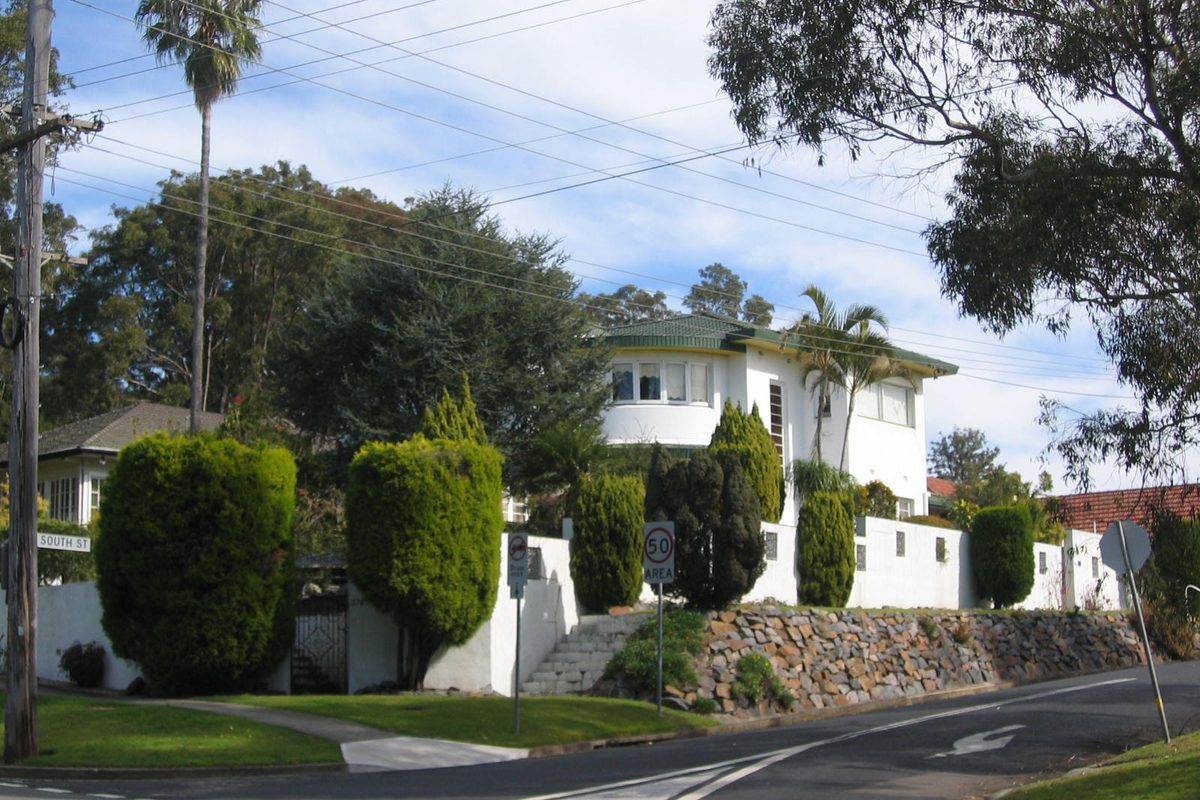
Most small developers start with one block: two homes where one stood, or one block split into two.
You do not need a degree or a special licence to develop a small residential site in NSW. You need a sound site, the right approvals, a licensed builder, and money or a partner with money.
Your first project, step by step
- Learn the rules for your area. Zone, block size and what council allows decide what can be built.
- Find a site where the numbers work before you fall for the house.
- Run the feasibility. What the new homes will sell for, minus every cost, leaves your profit. Try the calculator.
- Line up the money. Your own, a lender's, or a partner's.
- Get approval. A development application to council, or a complying development certificate where the fast-track code applies.
- Build with a licensed builder and home building insurance.
- Sell, or keep.
Why it matters: small developments are one of the main ways new homes are being added across the Hunter, one block at a time.
Hundreds of Hunter owners are already doing it
In hunternew's council records since July, 228 applications to the City of Newcastle were for two homes on one block. 182 also asked to split the block, so each home can be sold on its own.
Each one is a small development. It is how most developers start.
How much money do you need?
More than most first-timers expect. In Newcastle, applications for two homes on one block declare a typical building cost of about $930,000, on top of the land.
Lenders usually want to see a margin of at least 15 to 20 per cent profit on the total cost before they will fund a development. Below that there is no buffer if costs run over.
That is why many first developments are done with a partner: one brings the site or the work, the other brings the money.
Do you need a licence to be a property developer in NSW?
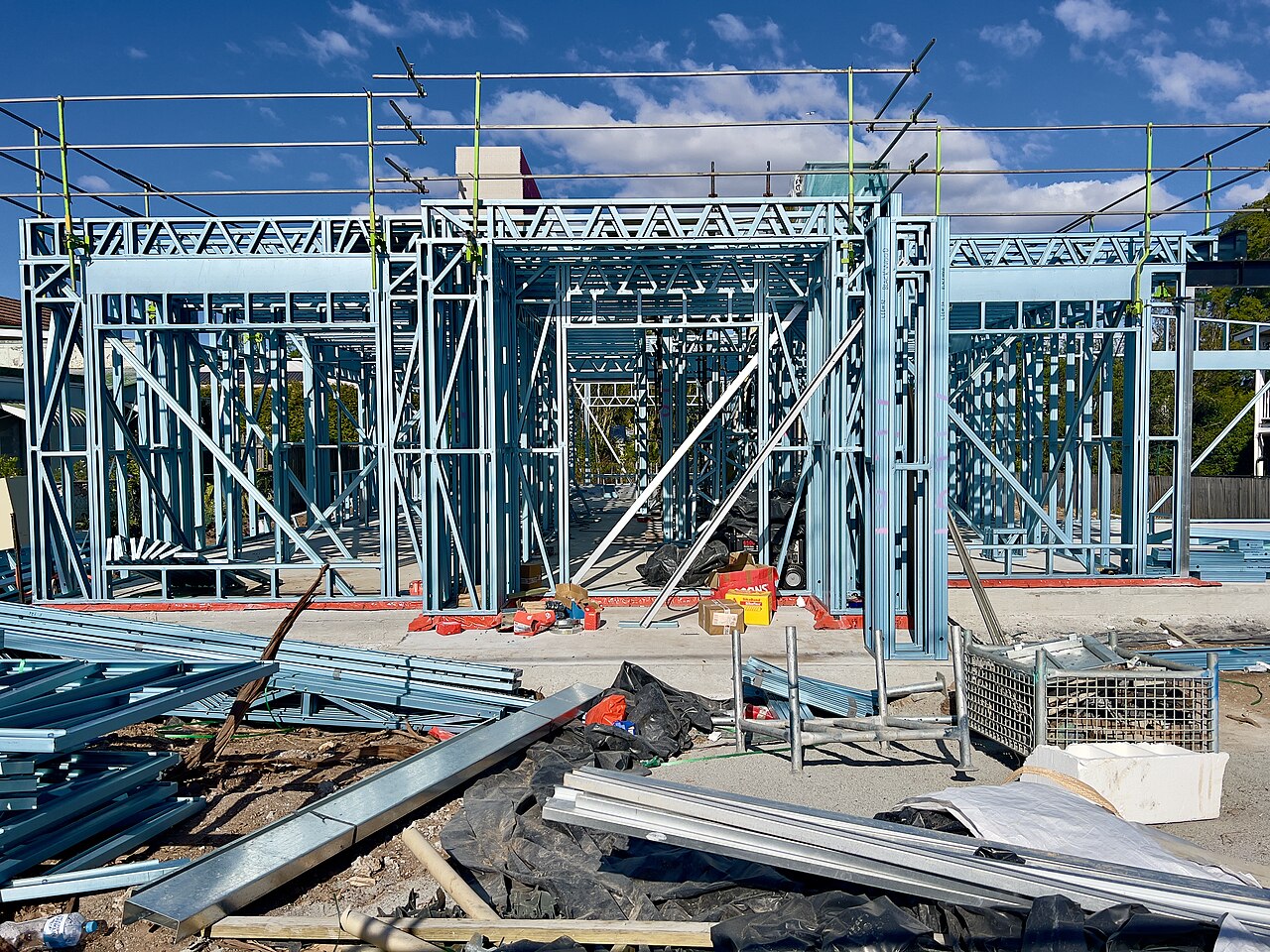
Not for a small residential project. But the building work must be done by a licensed builder, or by you under an owner-builder permit in limited cases.
NSW Fair Trading only issues owner-builder permits for a single house, a dual occupancy or a secondary dwelling, and for a dual occupancy only in special circumstances. You must intend to live in it, and complete approved training for work over $20,000.
Apartment buildings are different: developers of those are regulated much more tightly in NSW.
Common first-project mistakes
What sinks first developments
- Paying too much for the site because the house is nice.
- Pricing the build from a guess, not a quote.
- Forgetting council contributions, water and sewer charges and splitting the title.
- Running out of time: approvals and building both take longer than planned, and interest keeps running.
What does a property developer do?
A developer turns a site into homes. That means finding the site, working out whether it pays, getting approval, paying for the build, managing the builder, and selling or renting what is built.
On a small project, the developer is usually an owner or a small partnership, and most of the work is in the numbers and the approvals, not on the tools.
The team you need
Who does what
- Town planner: tells you what the block can take and prepares the application.
- Designer or architect: draws the homes.
- Surveyor: measures the block and, later, registers the split.
- Certifier: approves complying development and inspects the build.
- Licensed builder: builds it, with home building insurance.
- Solicitor and accountant: contracts, structure, tax and GST.
- Finance broker: finds the loan.
Working with a money partner
Many first developments are partnerships. One person finds the site and runs the project; the other puts in the money; they share the profit.
Put everything in writing before any money moves: who puts in what, who decides what, how profit and losses are split, and what happens if it runs late. A solicitor should draw it up.
Tax and GST
Building new homes to sell is usually treated as a business for tax. The profit is income, and selling new homes can mean GST on the sale.
The structure you buy in (your name, a company or a trust) changes the tax, so decide it with an accountant before you sign the contract.
Your first deal: what the numbers look like
A typical Wallsend house sold for $887,444 in the year to June. Owners building two homes on a Wallsend block declared a typical $740,000 to build.
Add stamp duty, design, approvals, contributions, interest and selling, and two new homes need to sell for about $2 million or more for the project to clear a 15 per cent margin. Run your own numbers.
How do property developers make money?
From the gap between what the finished homes sell for and everything it cost to create them: the land, the approvals, the build, the interest and the selling.
Some keep the homes instead and earn rent, or sell the approved site to another developer without building at all. Selling an approved site is lower risk, but the profit is smaller.
The risk sits with the developer. If costs blow out or prices fall before the homes sell, the developer's margin takes the hit first.
What makes a good first site?
Look for
- A block in a low-density residential zone, wide enough for two homes.
- Little or no slope, and no flood, heritage or bushfire flags.
- Sewer and water already at the street.
- A street where new homes have recently sold well.
Our read: the first project should be small and simple: two homes on a block that already suits them.
Yes, but: the margin on small projects is thin, and one cost blowout can take all of it.
What happens next: run the numbers on a real site with the calculator, then talk to a town planner.
The bottom line: start with the numbers, not the house.
More: Development feasibility calculator · Dual occupancy rules in NSW · Knock down rebuild cost
Sources and how we worked it out
- NSW ePlanning public application records (Planning Portal API), worked through by hunternew. Dual occupancy development applications to the City of Newcastle tracked since 3 July 2026.
- Owner-builder permits: NSW Fair Trading, Owner builder permits (fairtrading.nsw.gov.au), checked 7 October 2026.
- Lender margins: Feasly, Development margin on cost vs revenue (Australia), checked 7 October 2026.